


Numberblocks: Hide and Seek
3.477.00 Reviews
App Specs
- Version
- 1.6.4
- Updated On
- License
- $3.49
- Downloads
- 50,000+
- Developer
- Blue Zoo
- Categories
- Educational
- Platform
- Android, iOS
Screenshots
 Analysis by AppCompare
I’d treat Numberblocks: Hide and Seek as a short, guided play activity rather than a replacement for books, toys or an adult helping a child learn. Its appeal is the combination of familiar characters and simple number play: a child searches, notices what is on screen and gets a reason to think about quantities. That makes it most promising for young children who already enjoy Numberblocks and are beginning to take an interest in counting.
What a quick play session feels like
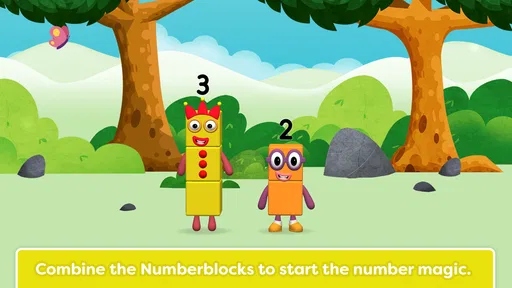
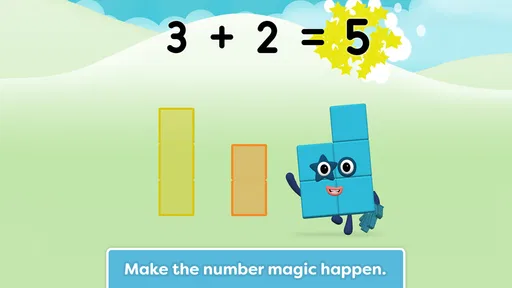
The central idea is easy for a child to grasp, which matters when you want to start a game without a long explanation. Finding characters gives the activity a purpose, while adding them together connects the search to early arithmetic. I like that the learning is tied to something the child is doing, rather than presented as a string of unrelated questions.
That simple loop also sets a sensible expectation for pace. I would not approach this as a fast-action game or expect a complicated sequence of stages. The premise points toward moments of looking, identifying and combining numbers, so children can take time to respond. For a parent, that can make it easier to sit alongside a child and talk through a choice instead of having to keep up with rapid play.
Useful when a child wants to do it themselves
A practical use is a brief session before dinner or during a quiet spell when a child wants something to do but is not ready for a worksheet. I would let the child make the first attempt, then ask a small follow-up such as how many Numberblocks they found or what the total might be. That keeps the screen activity from becoming passive without turning it into a test.
It can also work as a shared activity for a younger sibling and an adult. The child can search and point, while the adult supplies the counting language or helps connect two groups. This is a useful way to make a simple game last longer without assuming that the game itself will teach every idea independently. If the child gets an answer wrong, I would treat that as an opening to count together rather than stepping in immediately.
How it compares with other early-math choices
Compared with a basic counting app, the character-led search gives children a reason to look around before they work with numbers. That can be a better fit for a child who responds to familiar animated characters than to a plain row of numerals. Compared with a physical counting activity using blocks or toys, though, it offers less room for a child to move objects around and invent their own examples. I would choose real objects when the goal is hands-on sorting, and this game when a child is keen to interact with the Numberblocks world.
It is also different from a broad collection of learning games: its value is concentrated in one recognizable theme and a focused number activity. That focus can help a young child settle into the idea, but it may not satisfy someone looking for varied subjects or a long sequence of increasingly demanding puzzles. If your child quickly loses interest once a mechanic becomes familiar, a mixed activity app or a physical game with changing rules may be a better fit.
Worth Reading Before You Choose

EA SPORTS FC Mobile 26 Is a Bigger Football Game, but It Takes Time

Flipboard Shows What News Apps Must Do Beyond the Feed

Switching to Android Auto Means Rethinking Your Driving Routine

Google Calendar Makes a Crowded Week Easier to Manage

Ludo King Makes the Most of the Minutes Between Plans

Baby Panda World Brings Quick Play to Modern Phones, but Its Game Library Feels Busy
Keeping the play useful rather than automatic
One small approach I recommend is to pause before helping. Give the child time to inspect the screen and say what they notice; then, if needed, count aloud together. The point is not to turn every moment into a lesson, but a little conversation can make the number work more meaningful than tapping through without thinking. You can also stop after a natural point if attention wanders instead of trying to stretch one session past its useful limit.
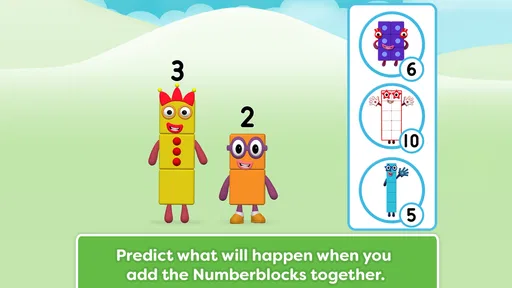
For a child who already counts confidently, add a spoken challenge of your own: ask them to predict a total before they complete the action, or to explain how they reached it. That does not require extra game features; it is simply a way to adapt the activity to the child in front of you. Conversely, if a child is still learning to recognize small quantities, keep the interaction relaxed and count together rather than expecting independent arithmetic.
Exploring the Game’s Features
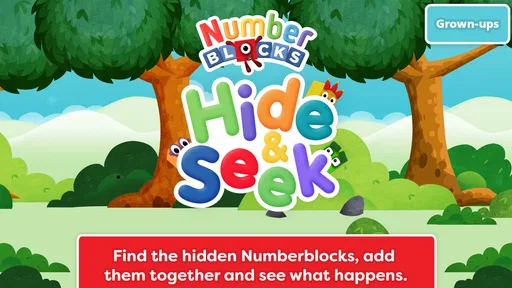
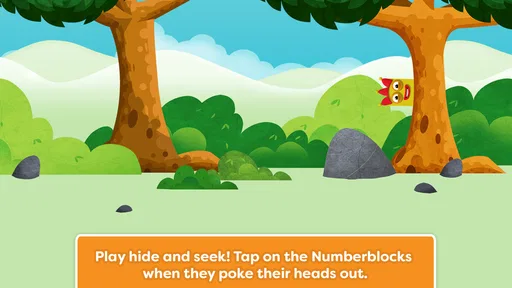
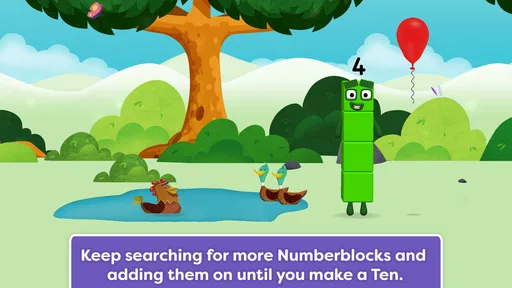
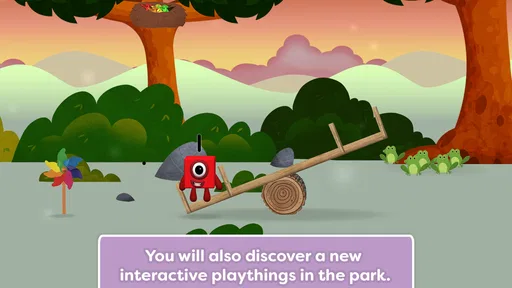
So, what’s the deal with Numberblocks: Hide and Seek? Well, it’s pretty straightforward but packed with fun. The premise is simple: your child gets to play hide and seek with the Numberblocks. As they explore, they’ll bump into different challenges that gently introduce them to basic math concepts. The best part? It’s all done in a way that’s entertaining and engaging.
One of the standout features for me is the interactive design. Kids don’t just watch the Numberblocks; they interact with them. It’s like being part of a colorful, animated episode where they can dive right in and start playing. The app uses bright visuals and catchy tunes that really keep the little ones hooked.
Educational Value at Its Core
Numberblocks: Hide and Seek isn’t just about fun; it’s also about learning. The app focuses on helping kids understand numbers and simple arithmetic in a natural way. Through playful activities, kids start recognizing numbers, counting, and even solving simple problems. It’s all about making learning feel like a game, so kids are less likely to get bored or distracted.
One thing I appreciated is how the app adapts to the child’s progress. It subtly adjusts the difficulty level based on the child’s responses, ensuring that the challenges remain neither too easy nor too daunting. This personalized approach helps maintain a balance between learning and fun.
User Experience and Accessibility
Let’s talk about usability. The app is incredibly user-friendly. The interface is intuitive, which is a big win for kids who might not be tech-savvy yet. Everything is laid out in a way that’s easy to navigate, with clear instructions that guide the young players through each activity.
Another great thing is its accessibility. It doesn’t bombard you with ads or unnecessary in-app purchases, which is a relief for parents. Once you’ve got the game, you can let your kids dive in without worrying about additional costs sneaking in.
Performance, stability and device fit
As an educational game, it is better judged by whether a child can get into an activity without frustration than by how fast it moves. The search-and-number premise sounds suited to an unhurried pace, which is useful for children who need time to recognize what they see. I would expect the most demanding moments to be the ones where a child is scanning the scene and thinking about a total, not a situation that calls for quick reactions.
For reliability, the practical test is whether the game remains comfortable through the kind of short sessions families actually use. I’d start with a brief play period and see whether the child can follow the activity and return to it comfortably. If the device feels warm, the game becomes sluggish, or the child is losing patience, take a break rather than pushing through. That is sensible for any screen-based activity, especially with younger children.
The minimum operating system is 8.0, so compatibility is worth checking before buying, particularly on an older device. The game is made by Blue Zoo, costs $3.49, and is rated Everyone. Its current version is 1.6.4. It has a 3.4 average from 677 ratings, with 78 written reviews and 50K+ installs. I would weigh that mixed average alongside your child’s interest in the characters and the focused gameplay, rather than treating popularity as a guarantee that every child will enjoy it.
A Few Thoughts on Improvements
While Numberblocks: Hide and Seek is mostly a hit, there are a few areas that could use a bit of a tweak. For instance, it would be awesome to see a bit more variety in the challenges. After a while, the game mechanics might start to feel a tad repetitive, especially for older kids who might be looking for more complex tasks.
Also, while the music and sounds are generally delightful, a little more variety in the audio department could enrich the experience even further. But honestly, these are minor points considering the overall quality of the game.
Who I’d recommend it to
I’d consider it for a preschool-age child who recognizes the Numberblocks characters, enjoys searching games and is starting to explore counting or simple addition. It may also suit a parent who wants a clear activity to play together rather than a general-purpose learning app with many subjects competing for attention. The game’s Everyone rating gives a broad age classification, but the best match still depends on a child’s reading, attention and number skills.
I would skip it if you want a deep maths curriculum, extensive variety, or a game that will keep an older child challenged over a long period. It is also not my first pick when the goal is to reduce screen time through hands-on play; blocks, counters or everyday objects make it easier to physically group and rearrange quantities. The strongest reason to choose this one is the particular blend of Numberblocks familiarity and simple interactive number practice.
Final Verdict
All things considered, Numberblocks: Hide and Seek is a stellar app for young kids. It’s a fantastic tool that combines fun with learning, introducing children to the world of numbers in a way that’s both engaging and educational. Whether you’re looking to keep your child entertained on a rainy day or want to give them a head start on their math skills, this app is a worthwhile addition to your digital library.
If you haven’t already, give it a try. It’s a game that promises to turn number learning into an adventure your kids won’t want to miss!
Pros
- Engaging educational content for kids.
- Colorful and interactive animations.
- Simple controls for young users.
- Encourages math skills development.
- No in-app purchases required.
Cons
- Limited replay value for older kids.
- Requires internet connection.
- May seem repetitive over time.
- Lacks parental controls.
- Audio can be too loud.
FAQs for Numberblocks: Hide and Seek
What is the main objective of the Numberblocks: Hide and Seek game?
The primary goal of Numberblocks: Hide and Seek is to help children learn numbers and basic math skills through engaging and interactive play. The game encourages exploration and problem-solving as kids search for hidden Numberblocks, reinforcing numerical concepts in a fun and intuitive way.
Is Numberblocks: Hide and Seek suitable for all age groups?
Numberblocks: Hide and Seek is primarily designed for young children, particularly those in preschool or early elementary school. It offers age-appropriate content that focuses on foundational math skills. While older children might enjoy it as well, the primary educational focus targets younger audiences.
Does Numberblocks: Hide and Seek require an internet connection to play?
No, Numberblocks: Hide and Seek does not require an internet connection for gameplay. Once the app is downloaded, children can enjoy the game offline, making it a convenient option for travel or areas with limited internet access. However, updates or additional content might need an internet connection to download.
Are there any in-app purchases or ads in Numberblocks: Hide and Seek?
Numberblocks: Hide and Seek is designed to be a safe and child-friendly app, typically free of ads to ensure uninterrupted play. However, some versions might offer optional in-app purchases for additional content or features. Parents should review these options to make informed decisions about in-app purchases.
Is parental supervision necessary while playing Numberblocks: Hide and Seek?
Parental supervision is not strictly necessary, as the app is designed to be safe and educational for children. However, parents might want to engage with their children during play to enhance the learning experience and provide assistance or encouragement as they explore various math concepts within the game.


